
Why It’s Time to Sunset ATSC 1.0
Free over the air television has long been one of the most reliable ways for Americans to access local news, weather, sports, and entertainment. For many households, it remains the only source of television that does not require a monthly subscription. However, the technology behind today’s broadcast system, known as ATSC 1.0, was developed decades ago and was not designed for a world shaped by smart devices, mobile viewing, and constant connectivity.
The latest broadcast standard, ATSC 3.0 or NextGen TV, was designed specifically for how people watch and interact with media today. The standard enhances audio and picture quality, introduces new interactive features and apps, and allows for life saving advanced emergency alerting. We’re already bringing NextGen TV to communities across the country, but the true potentials of the technology are being stifled. As it stands, broadcasters are required to continue broadcasting the legacy 1.0 system. This limits bandwidth, and hobbles the impact that NextGen TV could. To fully realize the possibilities of ATSC 3.0, we must complete the transition and responsibly sunset ATSC 1.0 so free television can finally move forward.
ATSC 1.0 Is Holding Free TV Back
Operating two broadcast standards simultaneously forces stations to divide their spectrum, technical capacity, and investment. This split limits what broadcasters can deliver using NextGen TV and slows the rollout of improvements that viewers are already expecting. Maintaining legacy technology also increases costs and complexity without adding value for audiences.
When ATSC 3.0 is allowed to operate without the constraints of the older standard, viewers benefit directly. Picture quality is sharper and more consistent, audio is clearer and more immersive, reception improves inside homes and apartments, and in areas where signals have traditionally been difficult to receive.
A Major Upgrade for Emergency Alerts and Public Safety
One of the most important advantages of ATSC 3.0 is its ability to improve emergency communication. NextGen TV supports more detailed and location specific alerts, along with visual information such as maps, instructions, and messages in multiple languages. During severe weather or public emergencies, this information gets viewers life saving information when it matters most.
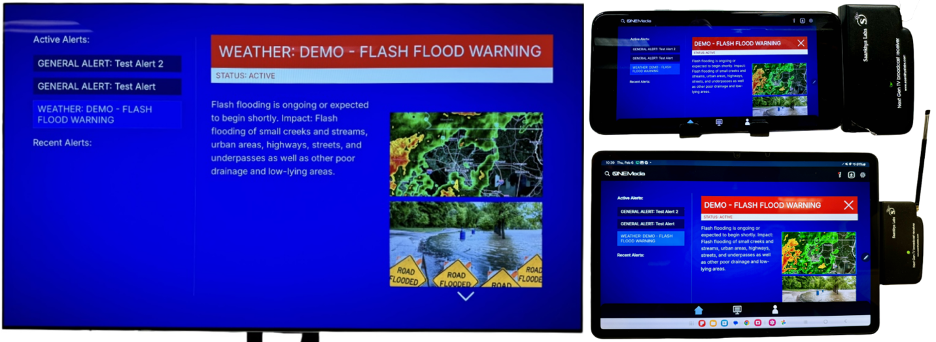
Broadcast television already plays a critical role in public safety. Modernizing the system strengthens that role and helps ensure that life saving information reaches as many people as possible, as clearly as possible.
Importantly, broadcast television is the most reliable way to distribute information at scale. Unlike streaming services, it doesn’t depend on home internet connections or cellular networks which can become congested and fail during emergencies. Strengthening the broadcast system with ATSC 3.0 improves resilience and helps ensure that communities continue to receive trusted information when other systems are disrupted.
This reliability is one of broadcast television’s most important public service functions, and modern technology helps preserve and enhance it.
Television Designed for How People Live Today
ATSC 3.0 is purpose-built for how audiences consume media today, delivered on demand and across multiple devices. Unlike ATSC 1.0 standards, NextGen TV is IP-based, meaning television content is delivered using the same foundational technology as the internet. This allows broadcasters to blend the reliability and reach of over-the-air TV with the flexibility of broadband, enabling seamless integration of live programming, on-demand content, and interactive experiences. Viewers benefit from dramatically improved picture and sound quality, including 4K UHD, high dynamic range (HDR), wide color gamut, and immersive audio.
Beyond quality upgrades, ATSC 3.0 introduces features that reflect modern viewing habits and expectations for personalization and mobility. Interactive applications can deliver enhanced program guides, real-time stats, localized content, and targeted advertising, all while preserving free over-the-air access. Improved reception and mobile robustness also make it possible to watch TV on the move, extending broadcast content beyond the living room. Together, these improvements position NextGen TV as a future-ready platform that modernizes broadcasting, and delivers the experience consumers have come to expect from the media they interact with.
Completing the transition ensures that free local television remains relevant alongside streaming services instead of falling behind them. It allows broadcast TV to evolve while continuing to serve broad audiences without subscription barriers.
A Clear Transition Plan
A defined and phased transition away from ATSC 1.0 is critical for consumers. Without a clear timeline, manufacturers are less likely to fully invest in NextGen TV features, and broadcasters are forced to delay upgrades. This uncertainty slows adoption and limits the benefits viewers should already be receiving.
A responsible transition that begins in larger markets and expands nationwide provides certainty across the industry. That certainty helps accelerate innovation, reduce costs over time, and ensure that consumers have access to affordable devices that support modern broadcast technology.
The transition from analog to digital television raised many of the same concerns that exist today. In the end, that transition delivered better picture quality, more programming options, and a stronger broadcast service for viewers. Completing the move from ATSC 1.0 to ATSC 3.0 follows the same proven path of updating a public service to meet modern needs.
The Future of Free TV Depends on Moving Forward
Sunsetting ATSC 1.0 will ensure that free, local television remains competitive, resilient, and valuable in the years ahead. By allowing NextGen TV to fully replace outdated technology, broadcasters can deliver a better viewing experience, stronger public safety tools, and a more reliable source of information for communities.
NextGen TV is no longer a future concept. It is already here. Completing the transition is the final step in making sure it delivers everything it promises to the audience it serves.