ATSC 3.0: The Future of Free TV
For decades, broadcasters have served their communities by delivering news, weather, sports and entertainment free of charge. As the media landscape has become more fragmented, and streaming offerings have become more commonplace, the legacy broadcast standard ATSC 1.0 has become woefully out of date. To better serve our communities, the broadcast industry has developed a new standard called ATSC 3.0, or NextGen TV, that brings broadcasting in line with modern communications systems, and brings new benefits, enhanced services and brand new innovations to audiences and technology partners.
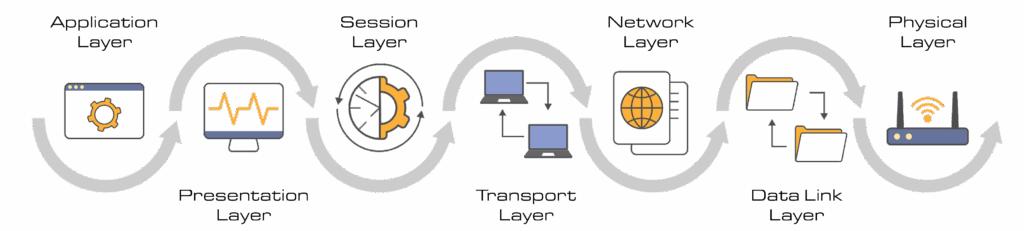
ATSC 3.0 is a modern broadcast standard that blends traditional over-the-air broadcasting with the flexibility and interactivity of internet-based media. ATSC 3.0 reimagines how broadcast signals are delivered and used. Unlike the legacy ATSC 1.0 broadcast standard, ATSC 3.0 uses Internet Protocol (IP) technology to make broadcast signals smarter, more efficient, and capable of delivering more than just traditional video and audio.
Enhanced Picture and Sound Quality
ATSC 3.0 supports 4K Ultra High Definition video, High Dynamic Range (HDR), and wide color gamut, bringing clearer, more vibrant visuals to compatible TVs. Broadcasters can offer more detailed and vivid images than were possible with ATSC 1.0, which tops out at 1080i resolution.
On the audio side, NextGen TV includes support for advanced sound formats such as Dolby AC-4 and immersive object-based audio. This creates richer soundscapes and offers accessibility features like improved dialog clarity and personalized audio experiences for people with hearing preferences or needs.
Better Reception and Mobility
ATSC 3.0 is engineered for more robust signal performance, meaning you can receive a clear signal in more places than was possible before. NextGen TV uses modern modulation techniques like Orthogonal Frequency-Division Multiplexing (OFDM) to ensure fewer dropouts, stronger indoor reception with antennas, and even reliable mobile reception on phones, tablets or in-vehicle infotainment systems.
Enhanced Emergency Alerts
A standout feature of NextGen TV is its advanced emergency alerting capabilities. Unlike the basic tones and text crawls of older systems, ATSC 3.0 can provide geo-targeted alerts with rich media content including text, visuals, and detailed instructions tailored to specific areas, ensuring that critical information reaches people where they are, and when they need it most.
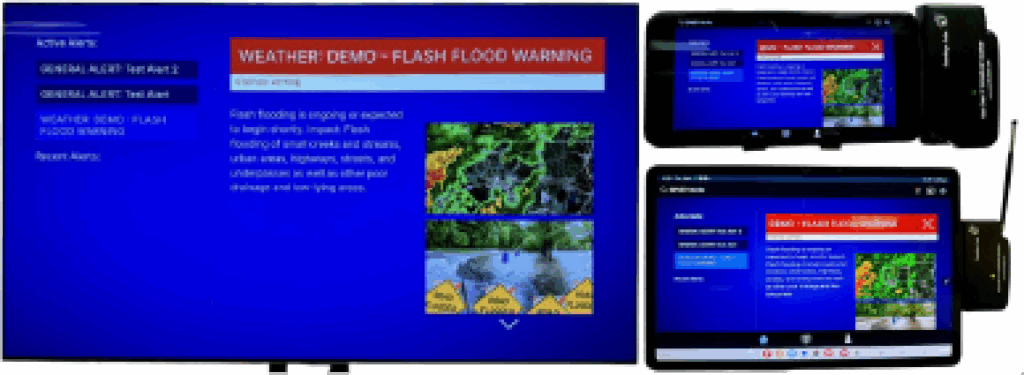
These enhanced alerts can be critical during severe weather, natural disasters, or public safety emergencies, and they work even when other networks are overwhelmed, as often happens during disasters.
Interactivity and Personalization
Because ATSC 3.0 works with IP technology, broadcasters can offer hybrid experiences that blend broadcast content with internet features. Viewers can receive additional camera angles or stats during sports, games played over the tv, or localized content delivered over broadband while the main video continues over the air.
Personalization extends to advertising too. Unlike traditional broadcast TV where everyone sees the same ads, NextGen TV allows for targeted and relevant messaging during the same program. This can make commercials feel more useful and less intrusive, and it helps broadcasters attract advertisers in a competitive media landscape.
More Channels and Services from the Same Signal
ATSC 3.0 is more efficient with broadcast spectrum than its predecessor. That means broadcasters can potentially offer more TV channels, specialty streams, or data services without needing more radio frequency bandwidth. This efficiency also sets the stage for future innovations like datacasting, which can send useful information and services over the air beyond traditional TV programming.
Getting Ready Today for the TV of Tomorrow
Not every TV on the market today supports ATSC 3.0, but things are changing quickly. Major manufacturers have are including NextGen TV tuners in televisions, and external tuners or USB adapters let older sets benefit from the upgrades as well. Your existing TV antenna still works with NextGen TV, making the transition from ATSC 1.0 easy once you have compatible hardware.
Importantly, broadcasters are rolling out ATSC 3.0 stations across the United States, with signals covering a large portion of TV households. As more markets adopt NextGen TV, consumers will see the benefits grow over time.
NextGen TV powered by ATSC 3.0 brings free over-the-air television into the modern era. It delivers better pictures, immersive sound, smarter alerts, interactive features, and expanded content options without subscription fees. For anyone who values quality and accessibility in TV, ATSC 3.0 is a major step forward that blends the best of broadcast and internet technologies to create a richer viewing experience.